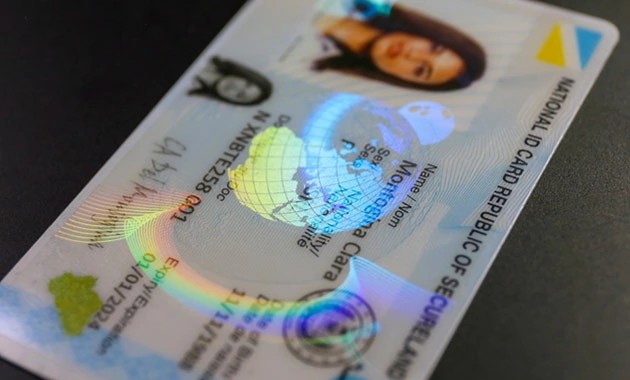
Understanding the Real Legal Consequences of Using a Fake ID
Possessing or presenting an altered, forged, or borrowed identity document is often perceived by young adults as a minor infraction. However, the legal system categorizes this under serious offenses like document forgery, fraud, and identity misrepresentation. The legal consequences of using a fake ID extend far beyond simple confiscation or a warning. This includes a wide range of documents — from a fake driver's license used at a bar to a counterfeit ID presented at a financial institution. In states like California and Texas, fake ID laws are actively enforced through undercover sting operations and carry consequences well beyond the initial offense. Depending on the jurisdiction, context, and document type, individuals can face criminal charges, fines, and long-term disruptions to education and careers. Understanding these risks is crucial for parents and young adults.
Offense Classifications and Legal Penalties
The legal system classifies offenses involving fraudulent identification based on the document type, the method of acquisition, and user intent. In many jurisdictions, possessing a fake ID is a misdemeanor, but certain circumstances elevate the charge to a felony. For instance, altering a government-issued document like a state driver's license or passport is treated much more severely than fabricating a generic student ID.
Jurisdictions generally categorize these offenses into three main levels, each carrying distinct legal penalties. The following table provides a general overview of how these offenses are classified and the typical penalties associated with them in various jurisdictions:
| Offense Category | Typical Classification | Common Penalties |
|---|---|---|
| Simple Possession of Altered ID | Misdemeanor or Infraction | Fines (ranging from $100 to $1,000), community service, alcohol education, and probation. |
| Impersonation (Using Another's Real ID) | Misdemeanor | Driver's license suspension, increased fines, probation, and a permanent criminal record entry. |
| Manufacturing or Distributing Fake IDs | Felony | Significant prison sentences, severe financial penalties, asset forfeiture, and potential federal prosecution. The production of scannable fake IDs marketed to pass law enforcement scanners is pursued as organized document fraud in many states. |
When an individual is caught with a falsified document, law enforcement agencies evaluate its origin. Producing or selling fraudulent identification — including scannable fake IDs with encoded barcodes — is pursued aggressively as a felony, and even individuals who share templates or assist others in acquiring these documents can be charged as co-conspirators in a forgery ring.
Specific Scenarios and Their Legal Implications
The severity of the legal response depends heavily on the specific scenario in which the fraudulent document is used.
First, attempting to purchase age-restricted goods like alcohol is the most common scenario. While some assume this results in a minor citation, many states mandate an automatic suspension of the user's actual driver's license for a period ranging from 90 days to a year, even if no motor vehicle was involved. In New York, possession of a fake driver's license while attempting to purchase alcohol can result in both the alcohol-related charge and a separate charge for possession of a forged instrument.
Second, using another person's valid identification, such as a sibling's driver's license, is not a minor shortcut; it constitutes criminal identity theft. This scenario places both the user and the owner of the ID in jeopardy. The lender can be charged with facilitating identity fraud, potentially resulting in a suspended driver's license and a criminal record.
Third, presenting fraudulent identification during financial transactions — such as cashing a check or opening a bank account — elevates the offense to financial fraud and identity theft. These actions are prosecuted as felonies, carrying mandatory prison sentences and heavy restitution requirements.
Fourth, presenting a fake ID to law enforcement during a traffic stop or questioning is a critical error. This action constitutes giving false information to a police officer or obstructing justice. Officers verify credentials via secure databases, and discovery of a falsified document typically results in immediate arrest.
Secondary Consequences: The Long-Term Impact
Beyond the immediate court-imposed penalties, a conviction or arrest record for a document fraud offense carries secondary consequences that can persist for decades, presenting barriers to professional and academic progress.
A primary concern is the creation of a permanent criminal record. Whenever an employer, landlord, or financial institution runs a background check, a charge related to fraud or misrepresentation will appear. Employers are sensitive to offenses involving dishonesty, especially in positions requiring financial handling or security access.
Furthermore, professional licensing boards maintain strict standards regarding ethical conduct. Aspiring lawyers, doctors, nurses, accountants, and educators must undergo background checks. A prior conviction for using a fake ID or counterfeit ID can result in a denial of licensure or require a prolonged, expensive administrative appeal.
Educational institutions also enforce codes of conduct. A student convicted of document fraud may face suspension, expulsion, or the loss of financial aid and scholarships. Additionally, international travel and immigration status can be affected — non-citizens may face visa delays or denial of entry, as fake ID laws in states like Florida and Texas specifically flag document fraud convictions in immigration background reviews.
The Reality of Expungement
Many individuals believe they can simply get the record expunged later, erasing the issue entirely. While expungement is a valid legal process, it is neither automatic nor a complete shield against future scrutiny.
The expungement process typically requires waiting several years after completing all court-mandated penalties, maintaining a clean record, and hiring legal counsel to petition a judge. The court evaluates these petitions on a case-by-case basis, and approval is not guaranteed.
Crucially, even when an expungement is granted, the record is not entirely deleted. Government agencies, including immigration authorities, the military, law enforcement bodies, and state licensing boards, often retain access to sealed or expunged records during background investigations. A candidate applying for a security clearance must still disclose the prior arrest, and failing to do so can lead to immediate disqualification for dishonesty.
Is using a fake ID classified as a felony or a misdemeanor?
In most standard cases involving minors attempting to purchase alcohol, the offense is classified as a misdemeanor or a civil infraction. However, if the document is a highly altered state or federal ID, or if it is used for financial fraud, opening bank accounts, or misrepresenting identity to law enforcement, the charge can be elevated to a felony, such as possession of a forged instrument or identity theft.
Will a fake ID charge show up on a standard background check?
Yes. If the incident results in an arrest or a formal criminal conviction, it will be recorded in criminal databases. Standard background checks performed by employers, landlords, and academic institutions will display these records. Even if the charge is dismissed through a diversion program, the arrest record may remain visible until it is formally expunged or sealed.
Can a minor be charged as an adult for possessing a fake ID?
While juveniles under 18 are typically processed through the juvenile justice system, older teens (especially those aged 16 or 17) can, in some jurisdictions and under severe circumstances, be charged as adults. This is particularly true if they are involved in the manufacturing, distribution, or commercial sale of fraudulent documents, or if they use the documents to commit financial crimes.
What are the risks if I received a fake ID as a gift but have never actually used it?
Legally, the mere possession of a forged government document is considered an offense in many jurisdictions, regardless of whether it has been presented. If law enforcement discovers the document during a search, traffic stop, or investigation, the individual can still face charges for possession of a forged instrument or fraudulent identification. Intent to use is often inferred by the possession of the item itself.
Although the social narrative surrounding fake IDs often minimizes the severity of the act, the legal framework treats document fraud with high seriousness. The long-term implications for employment, education, and professional licensing highlight the importance of recognizing the permanent risks associated with these items. Educating young adults about these legal realities is the most effective way to prevent a single poor decision from impacting their future opportunities.