Understanding the novelty ID legal boundaries is essential for collectors, cosplayers, and theatrical producers who utilize prop credentials in their activities. While replica cards can serve legitimate purposes, misrepresenting identity or age is illegal and carries severe consequences. Many individuals fail to recognize the strict legal threshold that separates a compliant prop card from an illegal document. This guide clarifies the criteria for legal prop use, design compliance requirements, and the consequences of document misrepresentation.
Key Takeaways
- Defined Uses: Novelty IDs are legally restricted to non-deceptive uses such as theatrical props, cosplay, and private collections.
- Design Compliance: Compliant prop documents must feature clear non-official markings, differ from official templates, and omit security features.
- Deception Threshold: Using a novelty card to misrepresent identity, age, or credentials immediately violates document fraud laws.
- Technical Differences: The core difference in novelty vs fake ID classification lies in design conformity and the intent of use.
- Legal Risks: Presenting a replica document in public venues can trigger misdemeanor or felony prosecution depending on regional laws.
What Are the Legitimate Uses of Novelty and Prop IDs?
Legitimate applications for novelty credentials exist strictly within artistic, educational, and collector contexts where there is no intent to deceive. The concept of prop ID legal use covers theater productions, film sets, historical reenactments, and costumed events.
For instance, an actor representing a state official on screen requires realistic props that look appropriate to the camera. However, these documents are governed by regional novelty ID rules to ensure they remain distinct from active government credentials. In cosplay and hobby circles, enthusiast cards are used to match fictional characters, which is legal provided they do not replicate state-issued templates.
Similarly, academic institutions use mock credentials in training programs for security personnel to teach document verification. In all these cases, the documents remain within compliance boundaries because they are kept in controlled environments and are not presented in commercial or official settings. Collectors must also align with these rules, as seen in our comparison of regional variations in the novelty ID comparison study.
What Are the Key Design Requirements for Novelty ID Compliance?
To remain compliant under document safety regulations, novelty items must incorporate clear visual differences that prevent them from being mistaken for official credentials. This means that a compliant prop must never attempt to replicate the exact look or feel of active government cards.
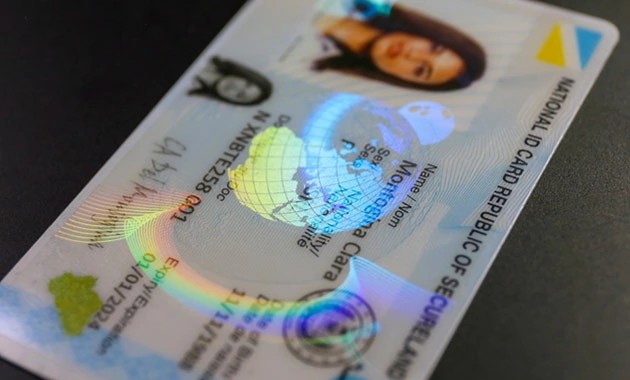
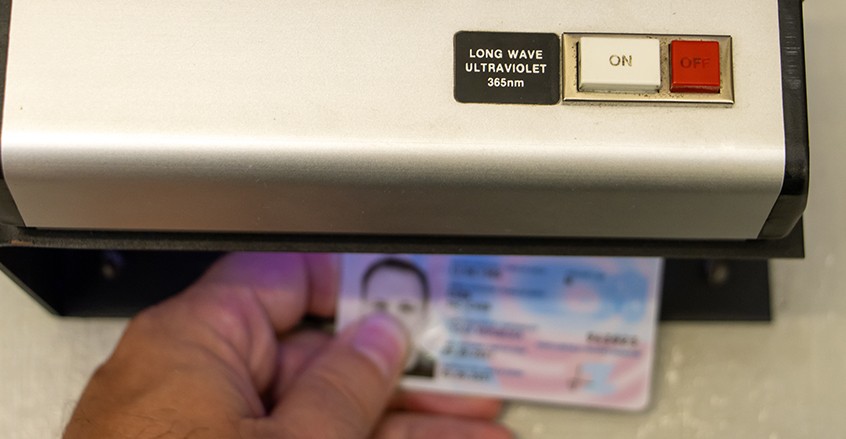
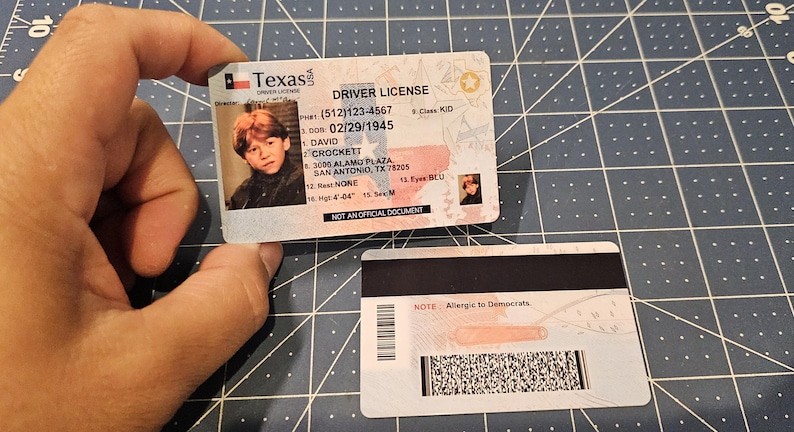
First, the document must feature prominent and permanent text indicating it is not an official card. Statements such as "NOT A GOVERNMENT DOCUMENT" or "FOR NOVELTY USE ONLY" should be printed indelibly on the card. Second, compliant novelty cards must omit official government seals, state emblems, and protected holographic overlays. Understanding how official overlays function is helpful, as detailed in our guide on UV overlays and hologram structures.
Third, the card should use non-standard sizes, font styles, and layouts. The numeric codes and barcodes on the reverse side should not match government formatting rules. By ensuring these structural changes are present, manufacturers and users protect themselves from violating federal forgery statutes, as the card cannot be used to mislead an inspector.
When Does a Novelty ID Violate Misrepresentation Laws?
A novelty ID immediately crosses the threshold into illegal status the moment it is presented as a real document to a merchant, employer, or government official. The legal distinction in the novelty vs fake ID debate is determined by how the card is used and its compliance features.
Presenting a prop ID to gain entry to age-restricted venues, purchase regulated goods, or access secure facilities constitutes document fraud. In these situations, law enforcement officers will disregard any "novelty" disclaimer printed on the card and charge the individual with forgery or misrepresentation. The legal penalties can range from misdemeanors to felony convictions, depending on the jurisdiction.
Additionally, using a novelty ID to bypass online verification systems, such as bank registration or job applications, escalates the offense to identity theft. In these digital environments, presenting a non-official card is treated as a premeditated attempt to commit fraud, leading to severe criminal prosecution. Thus, keeping novelty items strictly within their artistic context is vital for legal safety.
Comparison of Novelty Credentials and Fake Credentials
To help cosplayers and collectors navigate these boundaries, this table compares the key characteristics of compliant novelty prop cards and illegal counterfeit documents.
| Feature | Compliant Novelty / Prop ID | Illegal Fake ID |
|---|---|---|
| Primary Purpose | Artistic expression, theater, cosplay props | Misrepresenting age, identity, or status |
| Disclaimers | Features permanent, prominent "Not Official" text | Lacks disclaimers; attempts to look fully authentic |
| Security Features | Omits official holograms, seals, and active barcodes | Attempts to replicate official security features |
| Usage Boundaries | Kept within private settings or theater stages | Presented in public for commercial or official transactions |
| Legal Status | Legal when compliant and kept in proper context | Illegal to possess, use, or manufacture |
Understanding the strict legal limits of novelty cards is essential for preventing serious legal violations. The novelty ID legal boundaries ensure that while creative and decorative uses are permitted, the integrity of official government credentials is fully protected. By observing design compliance guidelines and keeping prop documents out of public transaction settings, you can enjoy creative hobbies without risking criminal charges or digital data exposure.
Photo by Rob Laughter on Unsplash