Understanding cosplay ID card safety is essential for enthusiasts, makers, and event attendees who use character credentials as part of their costumed activities. While a fan ID card can enhance the authenticity of a costume, using or carrying these items carries significant responsibilities. If a prop document is designed or handled incorrectly, it can be mistaken for an official document, leading to severe legal issues. This guide clarifies the compliance standards for cosplay ID props, design safety guidelines, and the absolute boundaries that separate artistic expression from document fraud.
Key Takeaways
- Definition: A cosplay prop card is a non-official card depicting fictional character details, used strictly for photography, performance, or display.
- Design Compliance: Safe cosplay ID cards must feature clear disclaimers, use fictional details, and completely omit real security features.
- Zero Verification Use: Never present a prop card to bouncers, merchants, or authorities, as doing so constitutes document fraud.
- Safe Social Sharing: Blur any sensitive personal information when sharing images of prop cards on social media networks.
- Public Safety: Separate prop cards from age-sensitive environments to prevent any misunderstanding with event security staff.
What Is a Cosplay Prop ID and How Is It Safely Used?
To engage in creative hobbies responsibly, users must understand the purpose of cosplay ID cards and how to carry them during conventions. At its core, a cosplay prop card is a non-official fan ID card designed to reflect the attributes of a fictional character for cosplay and photo opportunities.
For example, a cosplayer portraying a fictional spy or space officer may carry an access card that matches their costume design. These items are legal when they remain within their artistic context and do not replicate official state credentials. Because public events involve mixed crowds and security checks, keeping these props secure and clearly distinct from government-issued cards is vital for preventing misunderstandings.
Additionally, cosplayers should familiarize themselves with general compliance guidelines by reviewing our article on novelty ID legal boundaries and design guidelines. By understanding the distinction between creative replicas and official credentials, hobbyists can enjoy their craft while respecting document safety laws.
What Design Rules Ensure a Cosplay ID Remains Non-Deceptive?
Ensuring that a prop card is clearly non-deceptive requires adhering to specific design rules during the manufacturing or customization process. The card must look like an artistic prop, not a government-issued credential.
First, the document must feature a permanent, highly visible disclaimer such as "NOT A GOVERNMENT DOCUMENT" or "FOR COSPLAY USE ONLY" printed on both sides. Second, the layout, color schemes, and font choices should deviate significantly from actual driver's licenses or state cards. For instance, collectors can compare regional rules by reading our guide on regional novelty ID rule comparisons to see how official designs differ from compliant props.
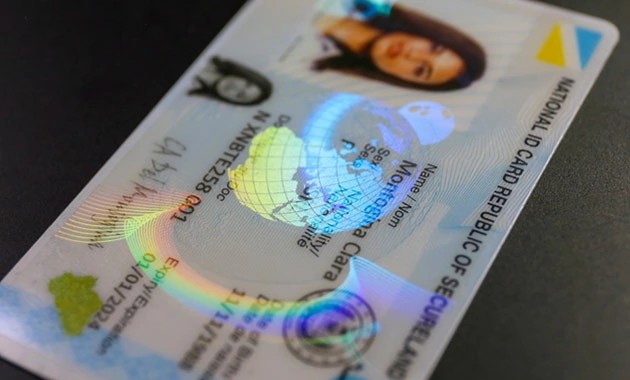
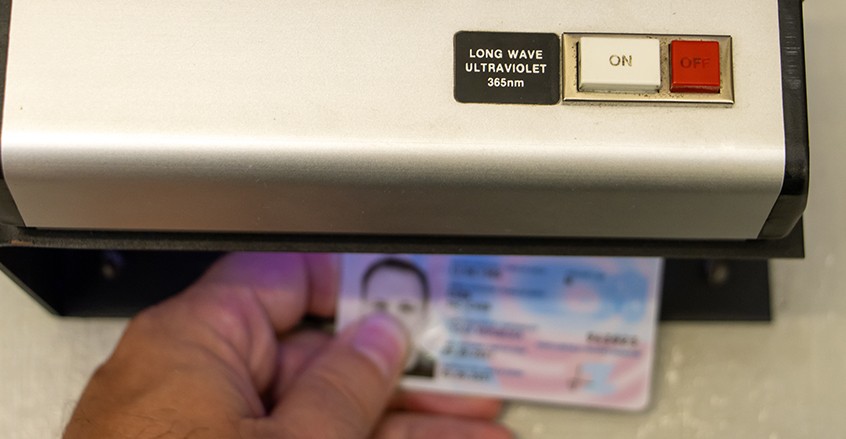
Third, a compliant prop card must omit all real document security features. This means you should never add metallic seals, active magnetic stripes, functional barcodes, or holographic overlays. Keeping props simple and omitting these features is a core compliance standard, as detailed in our guide explaining UV overlays and security features in document design. Omitting these features ensures the card cannot be scanned or mistaken for official licensing documents.
What Are the Absolute Boundaries for Carrying Prop Cards?
The legality of a fan ID card depends entirely on how it is handled in public environments. Even a compliant prop card will trigger criminal charges if it is presented as a valid credential in a real-world transaction.
Under no circumstances should you show a cosplay ID to a merchant, store clerk, venue bouncer, or law enforcement officer to verify your age, purchase age-restricted goods, or gain entry to restricted areas. If a prop card is used in this manner, authorities will treat it as a fake ID and charge the user with document fraud. Penalties for document misrepresentation vary by jurisdiction and can range from misdemeanors to felony records.
Furthermore, ensure that your props are not associated with age-sensitive situations, such as buying alcohol or entering clubs near convention centers. If you take photos of your prop card for social media, always blur any realistic portrait photos, signatures, or address details that could be harvested by online networks. Separating your cosplay hobby from daily identity verification scenarios is the most effective way to maintain compliance and protect your record.
Cosplay Prop ID: Safe Practices vs. Illegal Actions
This table compares the characteristics of safe, compliant cosplay props with actions that escalate a card into illegal document fraud.
| Feature/Action | Safe, Compliant Cosplay Practice | Illegal Escalation (Document Fraud) |
|---|---|---|
| Card Information | Uses fictional characters, imaginary organizations, and clear disclaimers | Uses real names, official government templates, and state seals |
| Security Design | Omits functional barcodes, UV marks, and holographic overlays | Attempts to replicate official security features to bypass verification |
| Usage Venues | Carried inside conventions, private shoots, or home displays | Presented at bars, retail stores, airports, or traffic checks |
| Social Media Sharing | Sensitive details are blurred or completely fictionalized | Unblurred card photos containing real personal details are posted online |
By observing these cosplay ID card safety guidelines, enthusiasts can participate in conventions and photography without risking legal liabilities. The boundaries of prop design exist to ensure that artistic replication does not infringe upon official credential security. Prioritizing clear labeling, keeping prop cards out of commercial verification contexts, and protecting your data from online harvesting will keep your hobby safe, legal, and compliant.
Photo by Kashawn Hernandez on Unsplash